The Psychology of Why Photo Booths Work at Brand Activations
Why guests engage with photo booths and how brands use that behavior to drive event results.
Photo booths keep showing up at brand activations for a reason. They tap into a few predictable patterns in how people behave at events. Understanding those patterns helps marketing teams design experiences that actually move the needle.


People Act When There Is a Clear Invitation
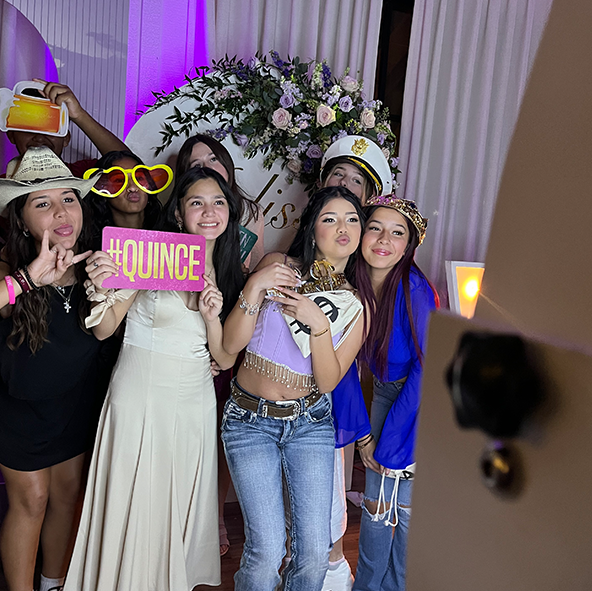
A booth gives guests an obvious thing to do. At a busy activation, most people hesitate. A clear station with a short, fun action removes that friction. The result is participation that feels voluntary, not forced. Guests opt in, which makes the brand interaction feel earned rather than pushed. That distinction matters. A guest who chooses to step into a booth is far more open to the brand than one cornered by a rep with a clipboard. The booth does the inviting so the team does not have to.
The Pull of Reciprocity
When a brand gives something, people feel inclined to give back. A printed photo or a polished digital clip is a small gift. In return, guests share contact details, follow an account, or spend a few more minutes at the booth. A
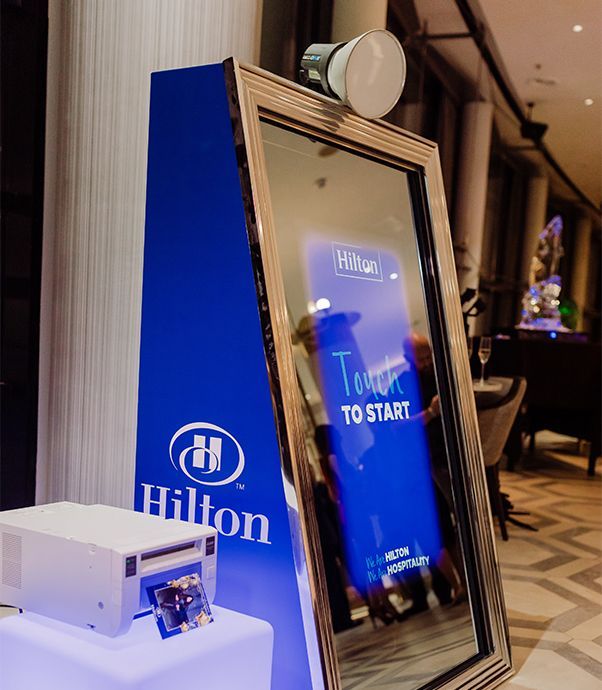
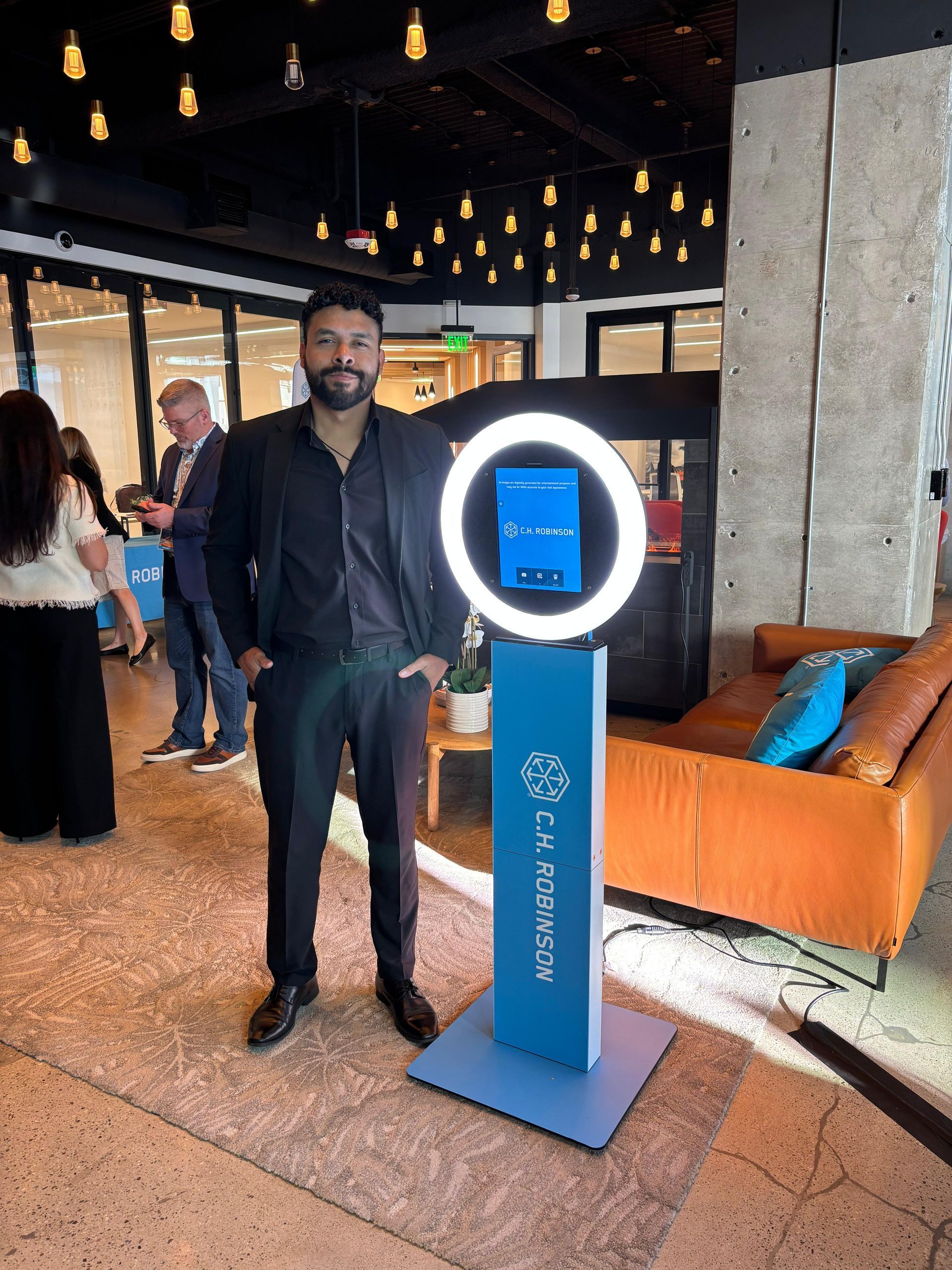
Branded Photo Booth makes that exchange feel generous instead of transactional. The guest leaves with something they wanted anyway. The key is that the gift comes first. Ask for the email after the photo, not before. Flip the order and the goodwill disappears.

Novelty Captures Attention
The brain pays attention to what is new. A familiar open-air booth blends in. A fresh experience stops people mid-stride. This is why an
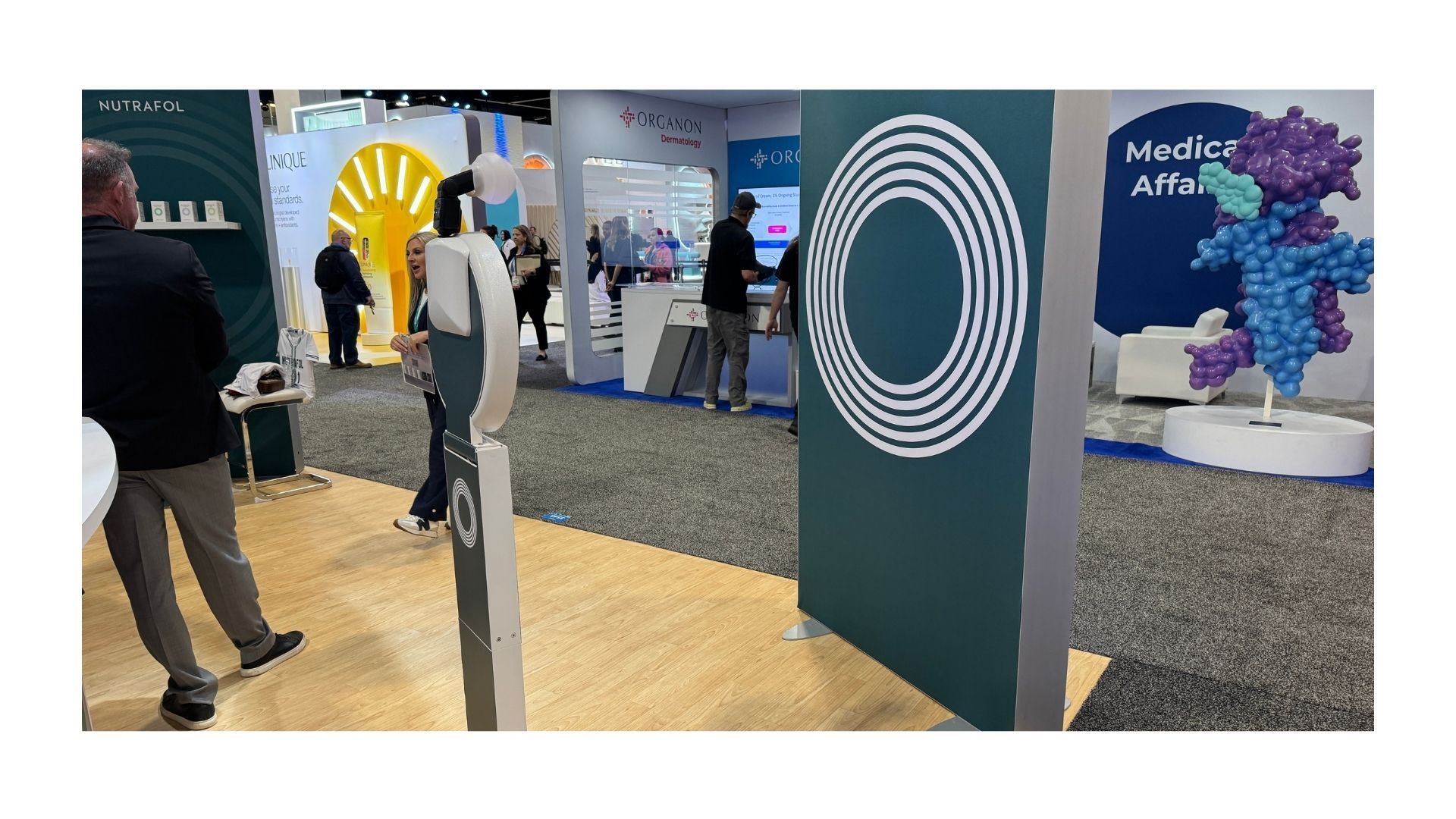
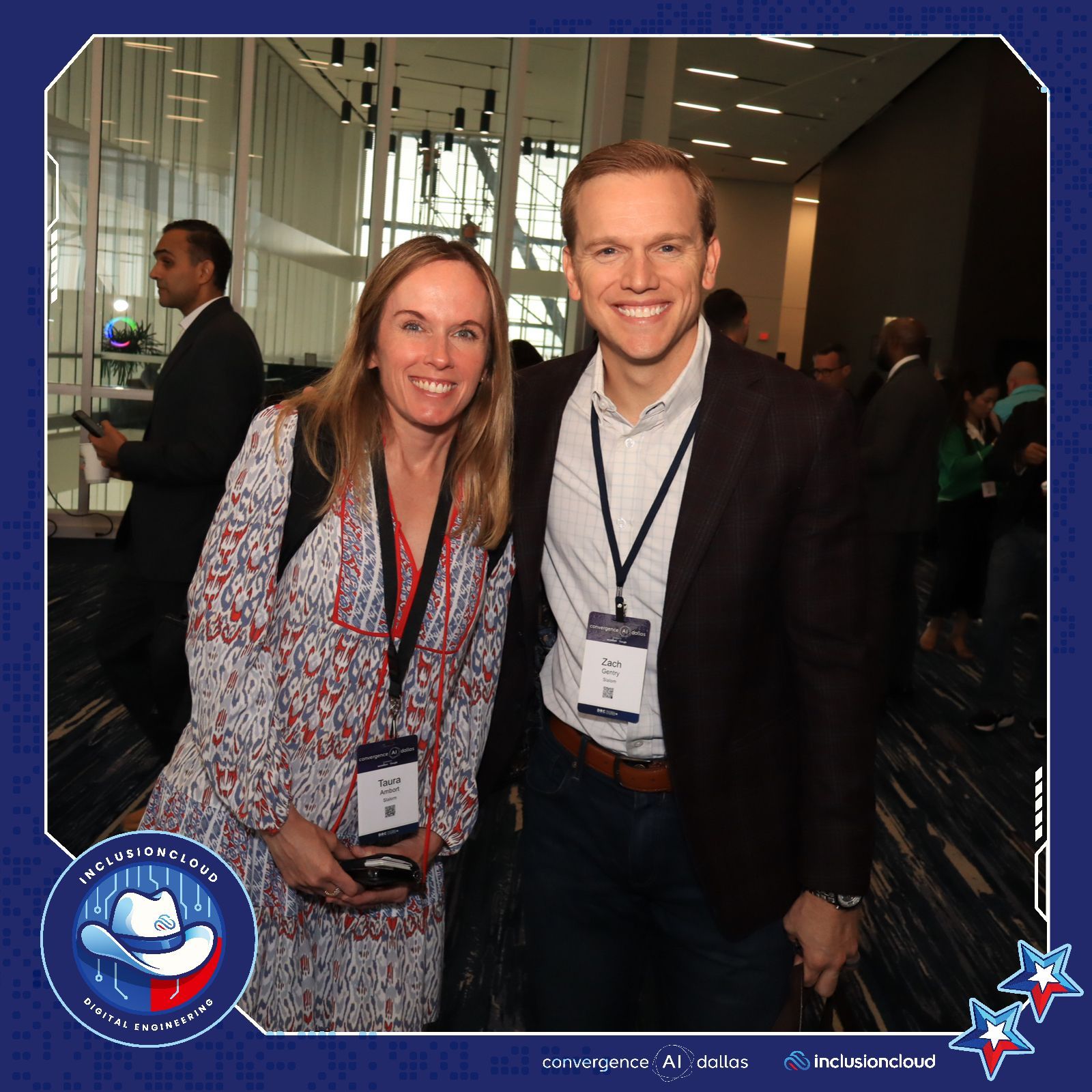
AI Photo Booth pulls long lines at trade shows. The output surprises people, and surprise is what makes them pull out their phones to film the reveal. Novelty also gives the press and the social feed something to talk about. A booth nobody has seen before earns coverage that a standard setup never would.
Social Proof Builds the Line
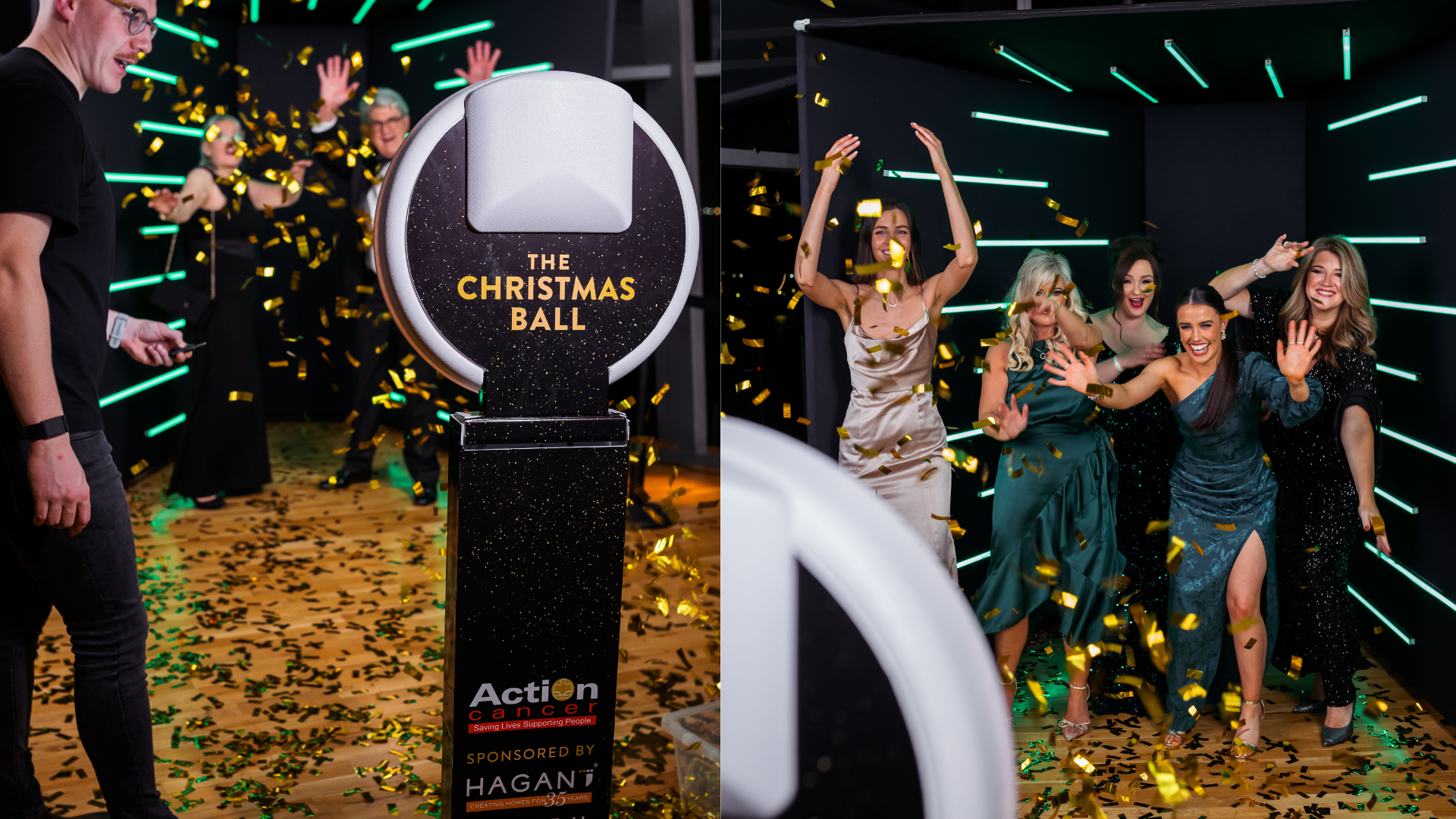
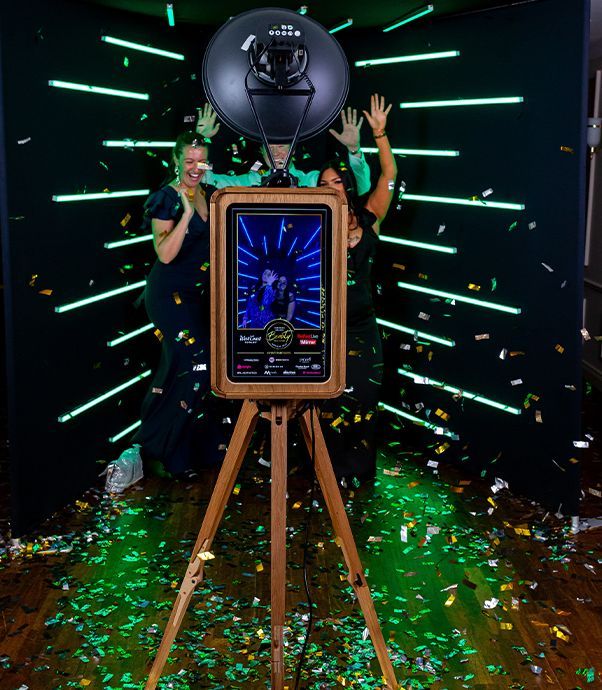
People look to others to decide what is worth their time. A small crowd at a booth signals that the experience is worth joining. A 360 Photo Booth creates this effect on its own. The spinning arm and the people watching turn the booth into a small show, and the show recruits the next group. The line itself becomes part of the activation. From across a busy floor, a crowd reads as proof that something here is worth a detour.
Collectibility Drives Repeat Engagement
A thing people can collect keeps them coming back. A Custom Trading Card experience taps this directly. Guests want the full set, so they return, refer friends, and linger at the booth. For a brand, that repeat contact is gold. Every return visit is another moment to reinforce the message. Collectibility also extends the activation beyond the event. Guests keep the cards, trade them, and show them off, which keeps the brand in hand long after the doors close.

Identity and Self-Expression
People share content that says something about who they are. A booth that lets guests look good and feel creative gives them content worth posting. When the photo flatters the guest and carries the brand quietly, the guest does the distribution. That is organic reach the brand did not have to buy. The lesson for design is restraint. A logo that overwhelms the photo kills the share. A subtle, well-placed mark rides along for free.
Designing for the Psychology
The takeaway for planners is simple. Make the action clear, give something worth keeping, and lean into novelty and social proof. Match the booth to the audience and the moment. A launch built on surprise wants a different experience than a loyalty event built on collectibility. Then measure what matters. Track lines, shares, and contact opt-ins, and you will see which of these levers your audience responds to most. None of this works without execution. The psychology only pays off when the booth runs smoothly, the line keeps moving, and the output looks sharp. Pair the right principles with are liable on-site team and the activation does the rest.
Put the Psychology to Work
The best activations are designed around how people actually behave. If you want help building an experience that earns attention and contact details, you can reach out here to talk through your next event.