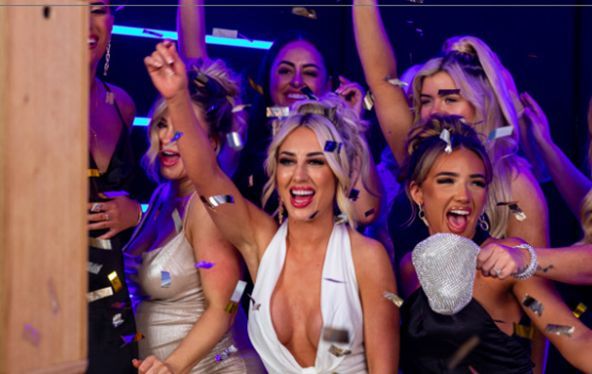
The Future of Experiential Marketing in 2026
Experiential marketing is no longer a side strategy.
Over the past few years, brands have shifted significant budget away from traditional advertisingand toward live, in-person experiences. The reasoning is straightforward: people remember what they participate in more than what they scroll past. In 2026, that shift is accelerating, and the formats brands are investing in look different from even two years ago.
This is where the industry is heading and what it means for brands, agencies, and event teams planning activations this year.

Why Experiential Marketing Keeps Growing
The data has been pointing in the same direction for years. Consumers trust experiences over ads. They share them more, remember them longer, and associate them more strongly with the brands behind them.
What changed in 2026 is that the measurement caught up. Brands can now track foot traffic, dwell time, lead capture, social shares, and sentiment in real time during an activation. That means experiential budgets are easier to justify internally, which means more of them get approved.
The Shift Toward Interactive, Content-Producing Activations
Static displays and giveaway tables are losing ground. The activations getting the most tractionin 2026 are the ones that produce content guests actually want to share.
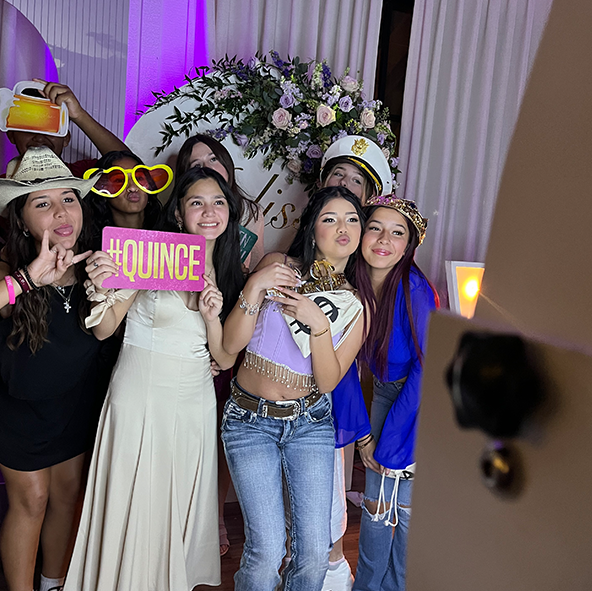
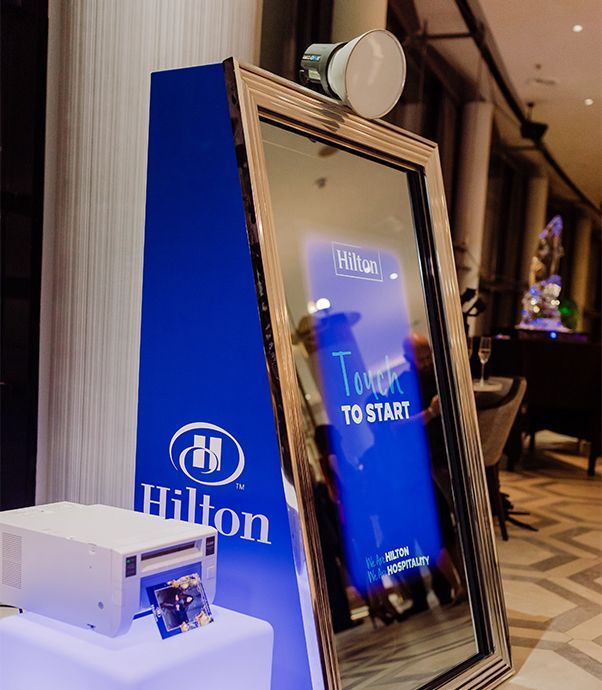
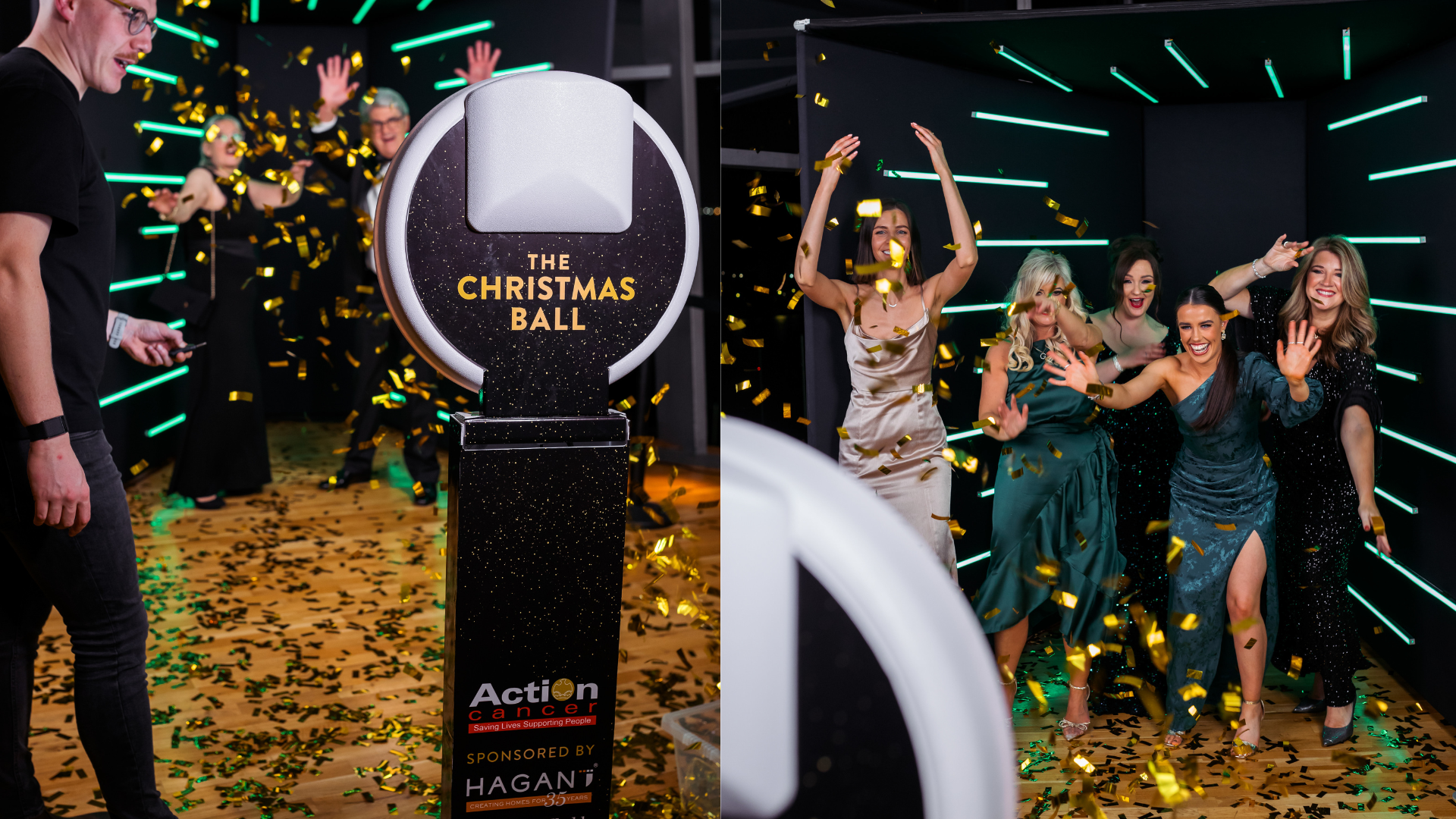
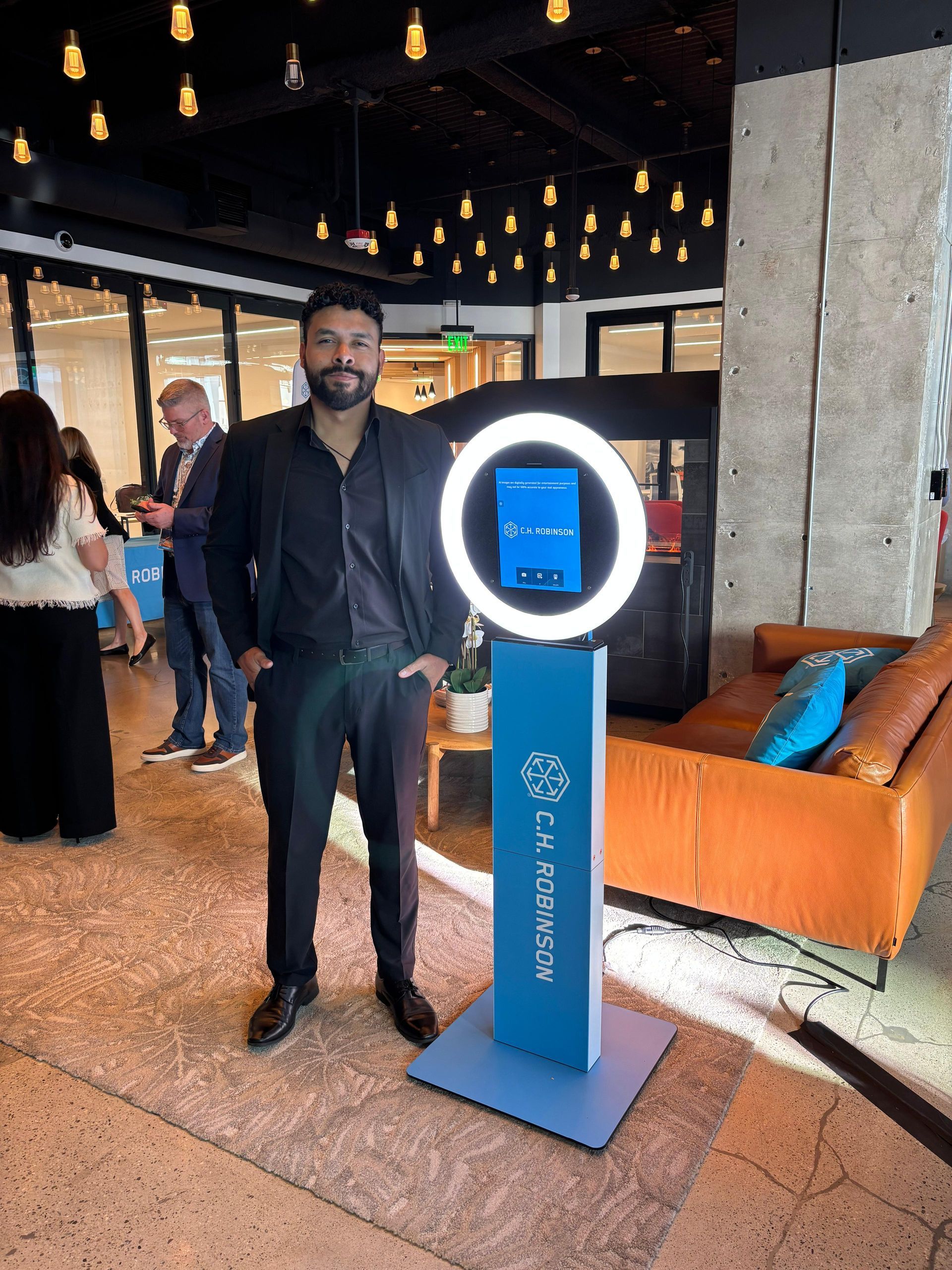
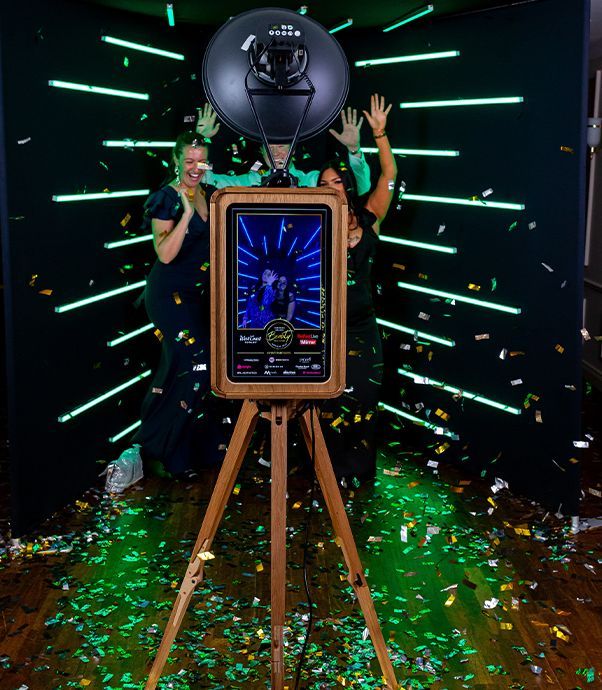
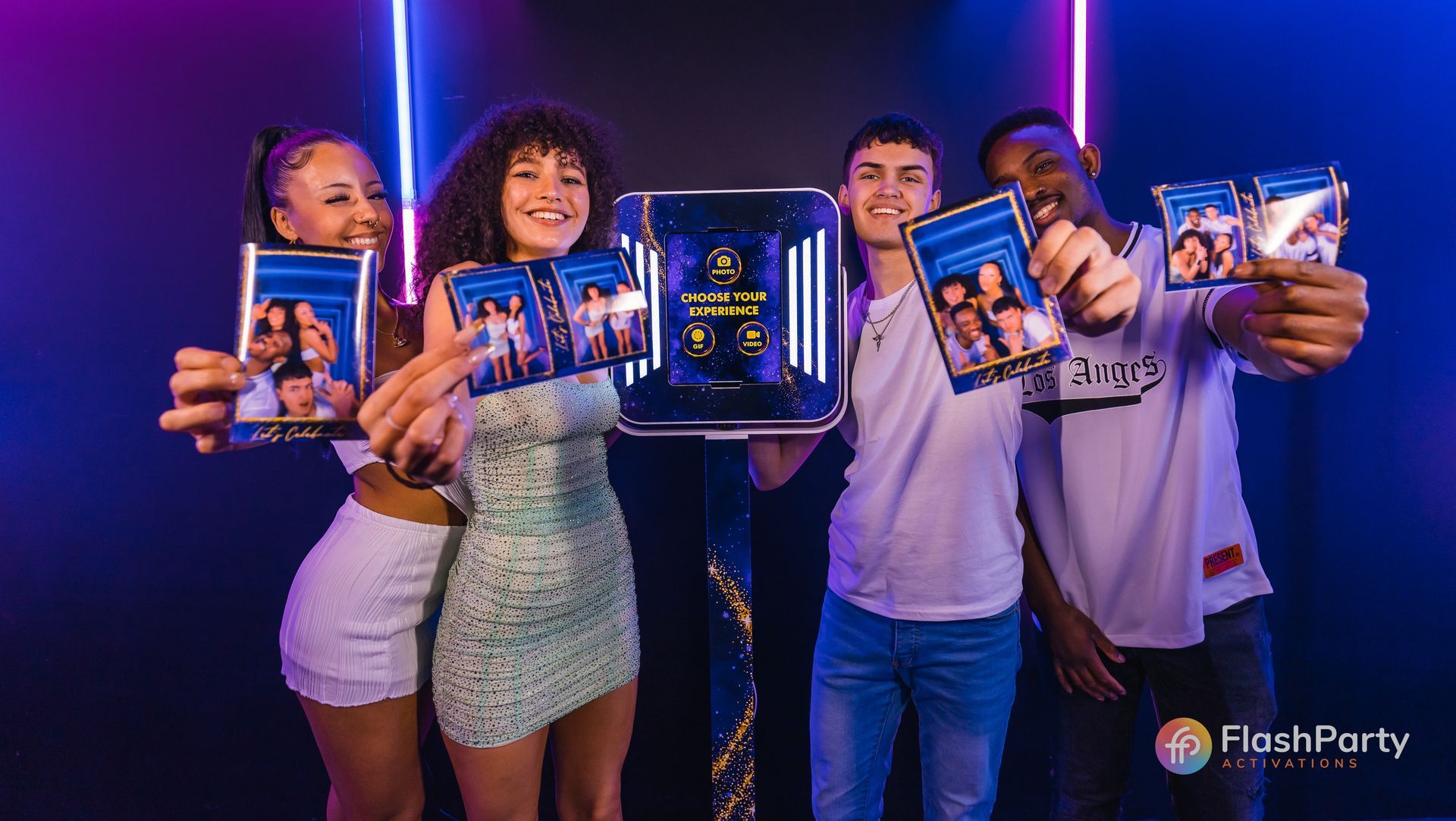
This includes formats like AI Photo Booth experiences that generate stylized, branded images in real time, Custom Trading Card stations where guests walk away with a physical collectible, and 360 Photo Booth setups that produce short-form video designed for social sharing.
The common thread: the guest creates something during the interaction, and that creation carries the brand message beyond the event.
Data Capture Is Now Built Into the Experience
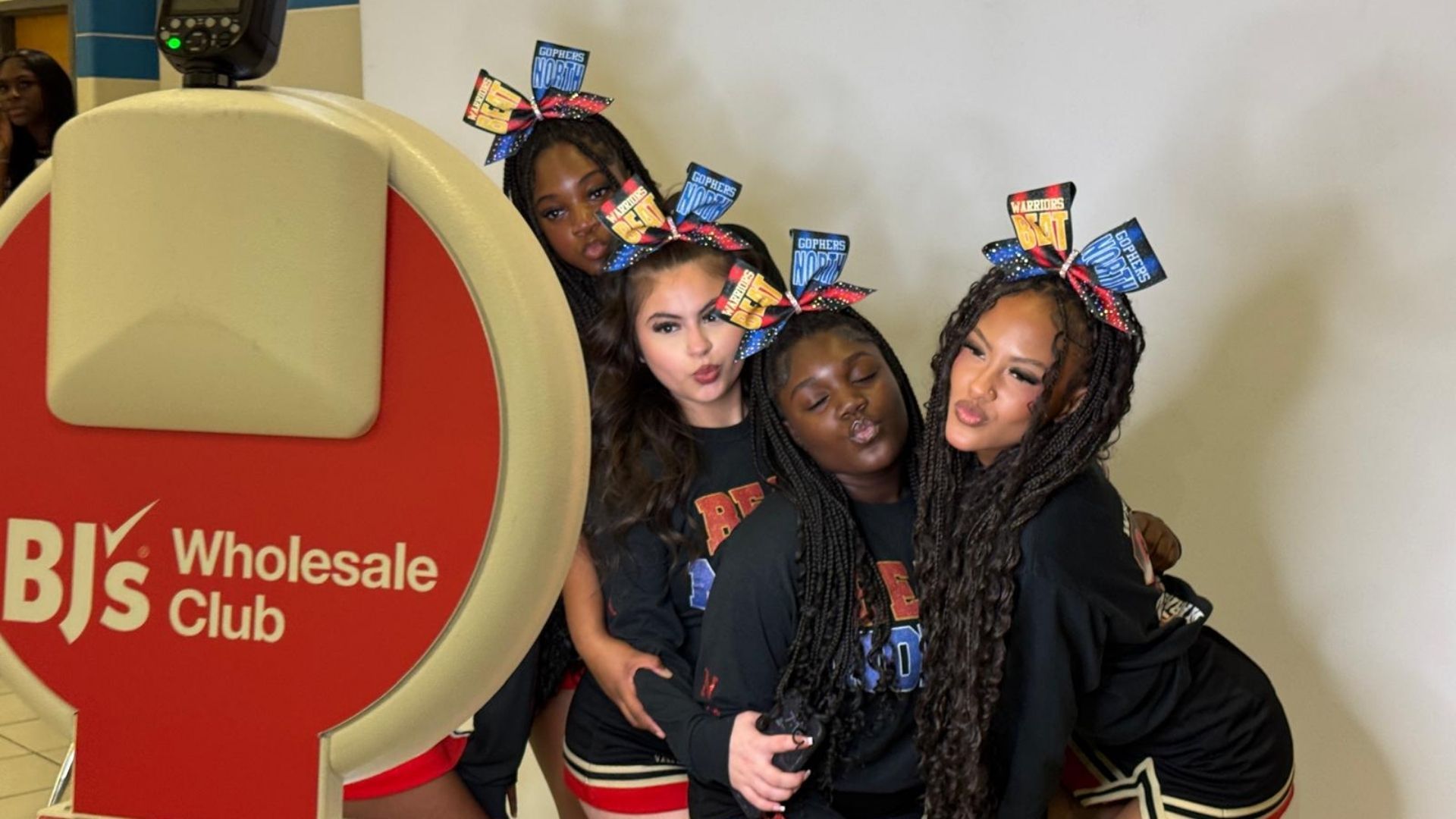
Lead capture used to feel separate from the activation itself. A clipboard. A QR code on a banner. In 2026, the best activations embed data capture directly into the guest experience.
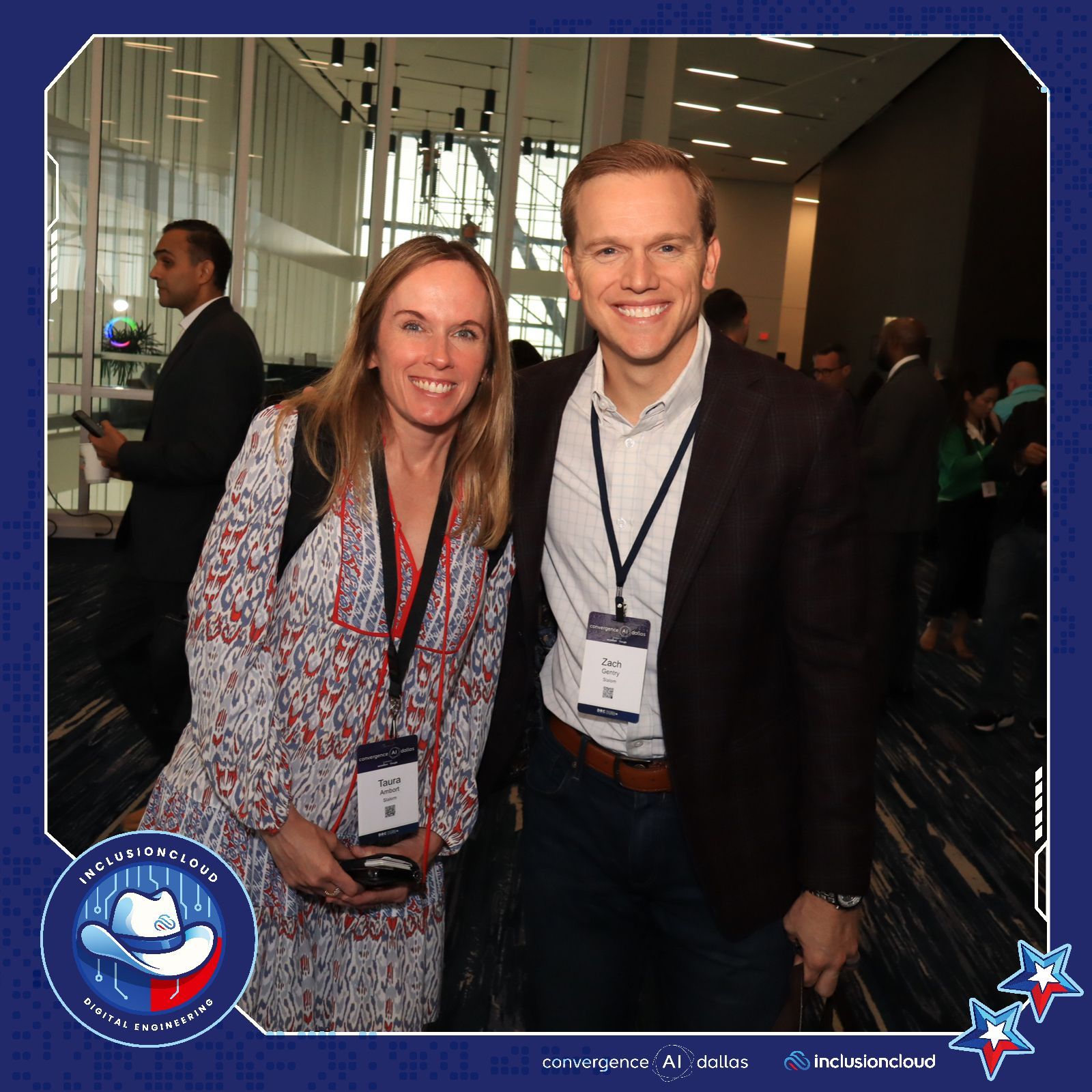
Photo-based activations are especially effective here. Guests enter their email or phone to receive their photo, which means the brand collects contact information as a natural part of the interaction rather than as an interruption. The opt-in rate is significantly higher than traditional methods because the guest is getting something they actually want.
Physical Takeaways Still Matter
Digital-first doesn't mean digital-only. One of the clearest trends in 2026 is the return of physical takeaways at activations. Printed photos, custom cards, and branded keepsakes give guests something tangible to hold onto.
The reason is simple: physical items extend the brand impression beyond the event. A printed photo sits on a desk or a fridge. A custom trading card gets shown to co-workers. Digital files get lost in camera rolls. Physical outputs don't.
Personalization at Scale
Personalization used to mean putting someone's name on a badge. Now it means generating a unique, AI-processed portrait, a custom-designed card with their likeness, or a video clip edited in real time to match the brand's campaign aesthetic.This level of personalization was expensive and slow even a few years ago. In 2026, the technology has caught up. AI processing, on-site printing, and real-time video editing all happen fast enough to run at scale during a live event without creating long wait times.
What This Means for Brands Planning Activations
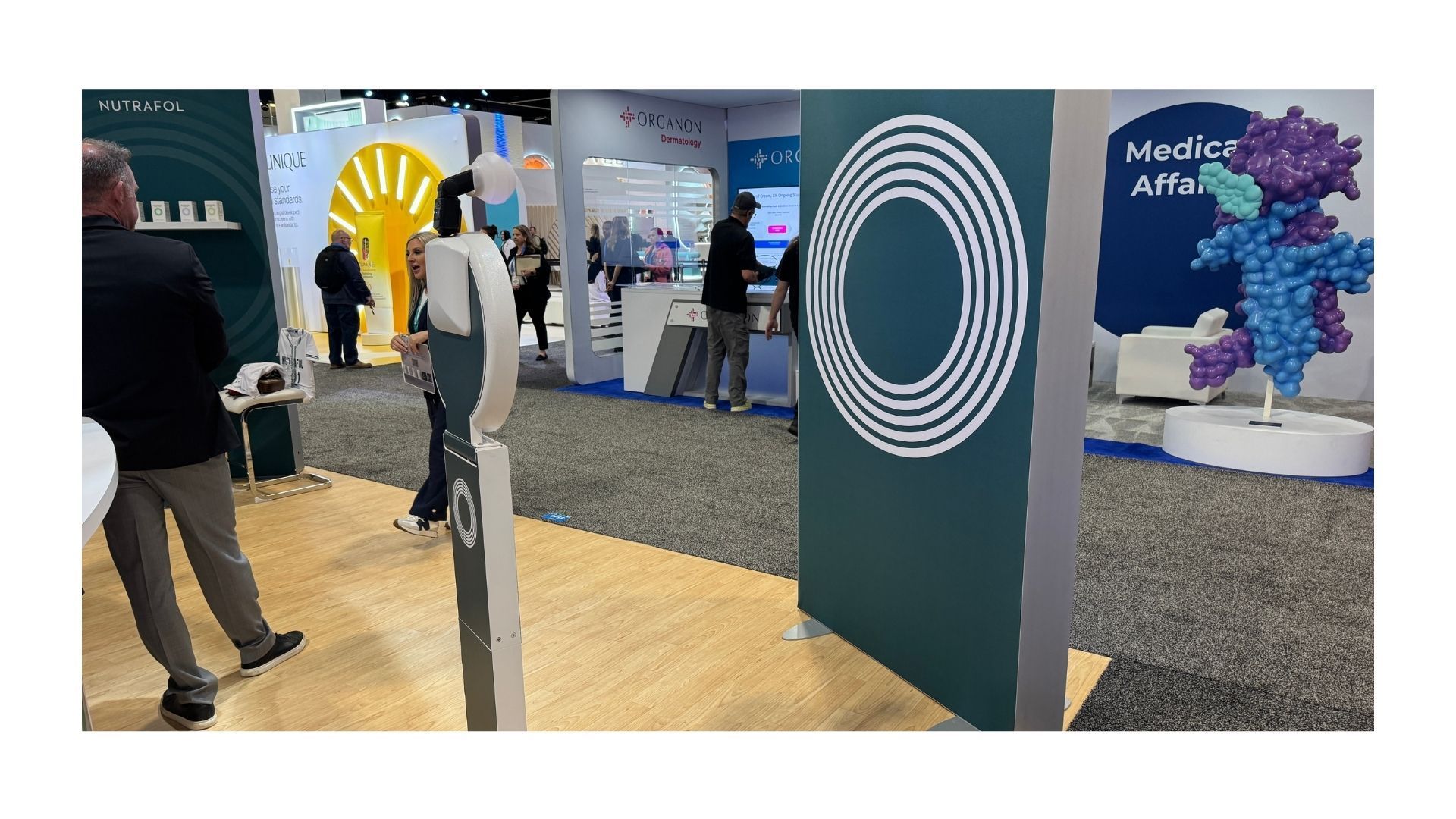
The bar for experiential marketing is higher than it used to be. Attendees at conferences, tradeshows, product launches, and festivals have seen enough generic setups to know thedifference.
Brands that invest in activations producing shareable, personalized, physical-and-digital contentwill see stronger engagement, better data capture, and longer brand recall. The format mattersless than the principle: give people something worth participating in, and they will.
Looking Ahead
Experiential marketing in 2026 is defined by interaction, content creation, and measurable outcomes. The brands getting the most out of their event budgets are the ones treating activations as content engines, not just foot traffic plays. For teams planning activations this year, the opportunity is clear: build experiences that produce something guests want to keep, share, and remember. If you're exploring activation formats for an upcoming event, you can
reach out here
to discuss what works best for your audience and goals.